The Real Reason Behind Duke Basketball’s Sudden Turnaround
DURHAM, N.C. — After a shaky start to conference play that saw them drop two of their first five ACC games, the Duke Blue Devils have roared back with a vengeance, ripping off seven consecutive wins and re-establishing themselves as a legitimate Final Four threat. The narrative has quickly shifted from “What’s wrong with Duke?” to “How did they fix it?”
While improved three-point shooting and the stellar play of sophomore guard Tyrese Proctor are visible factors, the real catalyst for Duke’s sudden turnaround isn’t found in a box score. It’s a fundamental, coach-driven shift in identity—a return to a punishing, physical brand of basketball that has become this team’s new trademark.
The turning point can be traced directly to a closed-door film session following their January 13th loss to Pitt. According to team sources, second-year head coach Jon Scheyer didn’t focus on missed shots. Instead, he zeroed in on a lack of physical and verbal toughness, showcasing clip after clip of opponents winning 50/50 balls, setting harder screens, and communicating more effectively on defense.
“We had to make a choice,” said team captain Jeremy Roach. “Were we going to be a skilled team that gets pushed around, or were we going to be the ones doing the pushing? Coach made it clear. Skill gets you in the door, but toughness wins championships.”
Scheyer’s solution was a deliberate and dramatic overhaul of practice. Drills became wars of attrition. The infamous “war drill,” a full-court, no-foul scrimmage focused on rebounding and physicality, became a daily staple. The emphasis shifted from running perfect sets to winning chaotic, effort-based possessions.
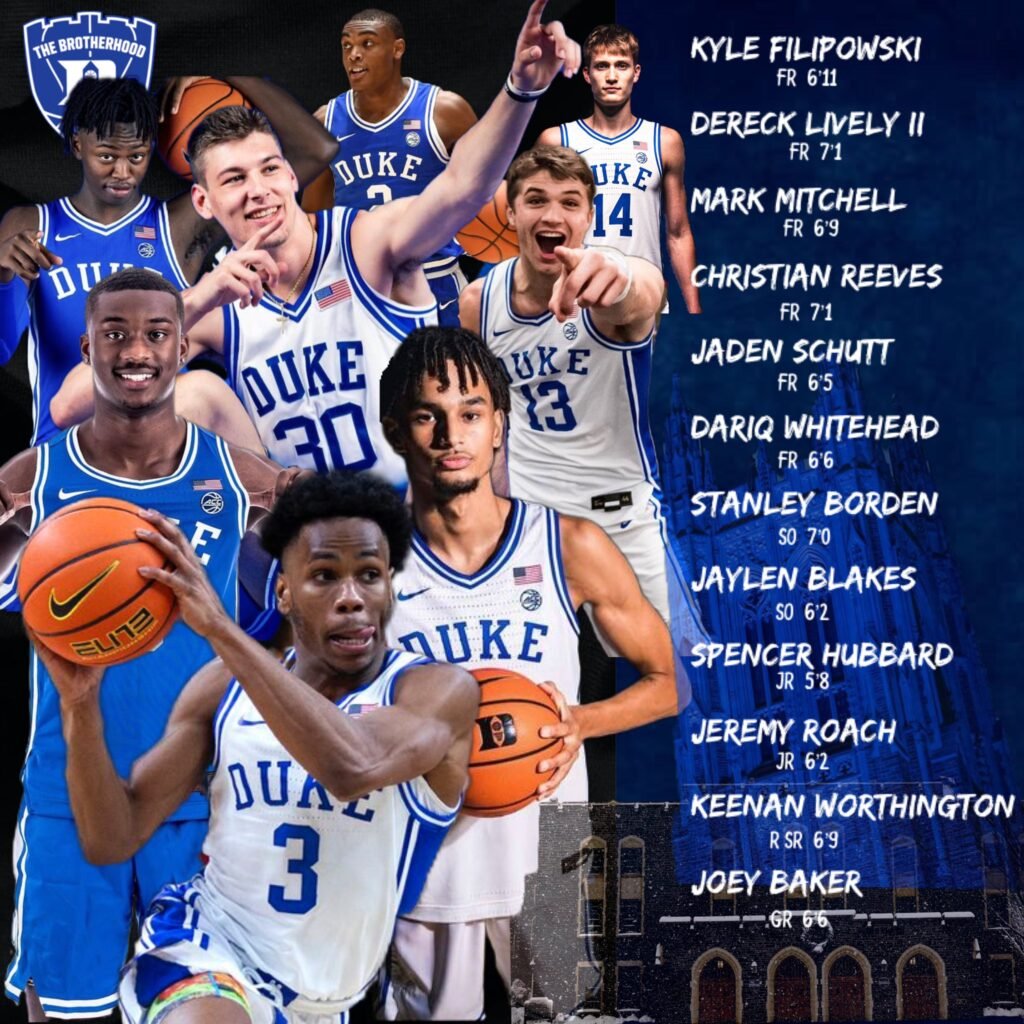
The results are palpable. During their current win streak, Duke has out-rebounded opponents by an average of +8.1 and seen a dramatic increase in deflections and loose balls recovered. Freshman phenom Caleb Foster has transformed from an offensive sparkplug into a defensive pest. 7-foot sophomore Kyle Filipowski, always skilled, is now playing with a snarl, using his body to seal defenders and demand the ball in the post.
“We’re just connected now, in a way we weren’t before,” said Filipowski after a recent win. “You hear all five guys talking on defense. You see guys diving, taking charges. That energy is contagious.”
This renewed identity has had a cascading effect. The improved defense—now ranked in the top 15 nationally in efficiency—has created easy transition opportunities, fueling the offense even on nights when shots aren’t falling. The physical dominance has also worn down opponents, allowing Duke to consistently pull away in the final ten minutes of games, a period where they previously struggled.
The strategic genius of Scheyer’s move is that it didn’t require a system change or a new playbook. It required a mindset transplant. He identified a character flaw in his talented team and attacked it head-on, forging a tougher, more resilient unit in the fire of intense, competitive practice.
The narrative around Duke is no longer about their youth or their offense. It’s about their grit. The real reason for the Blue Devils’ sudden turnaround is that Jon Scheyer successfully traded a measure of finesse for a surplus of fight, and in doing so, unlocked the championship-level potential that was there all along. They are no longer just playing basketball; they are imposing their will, and the rest of the ACC is buckling under the pressure.