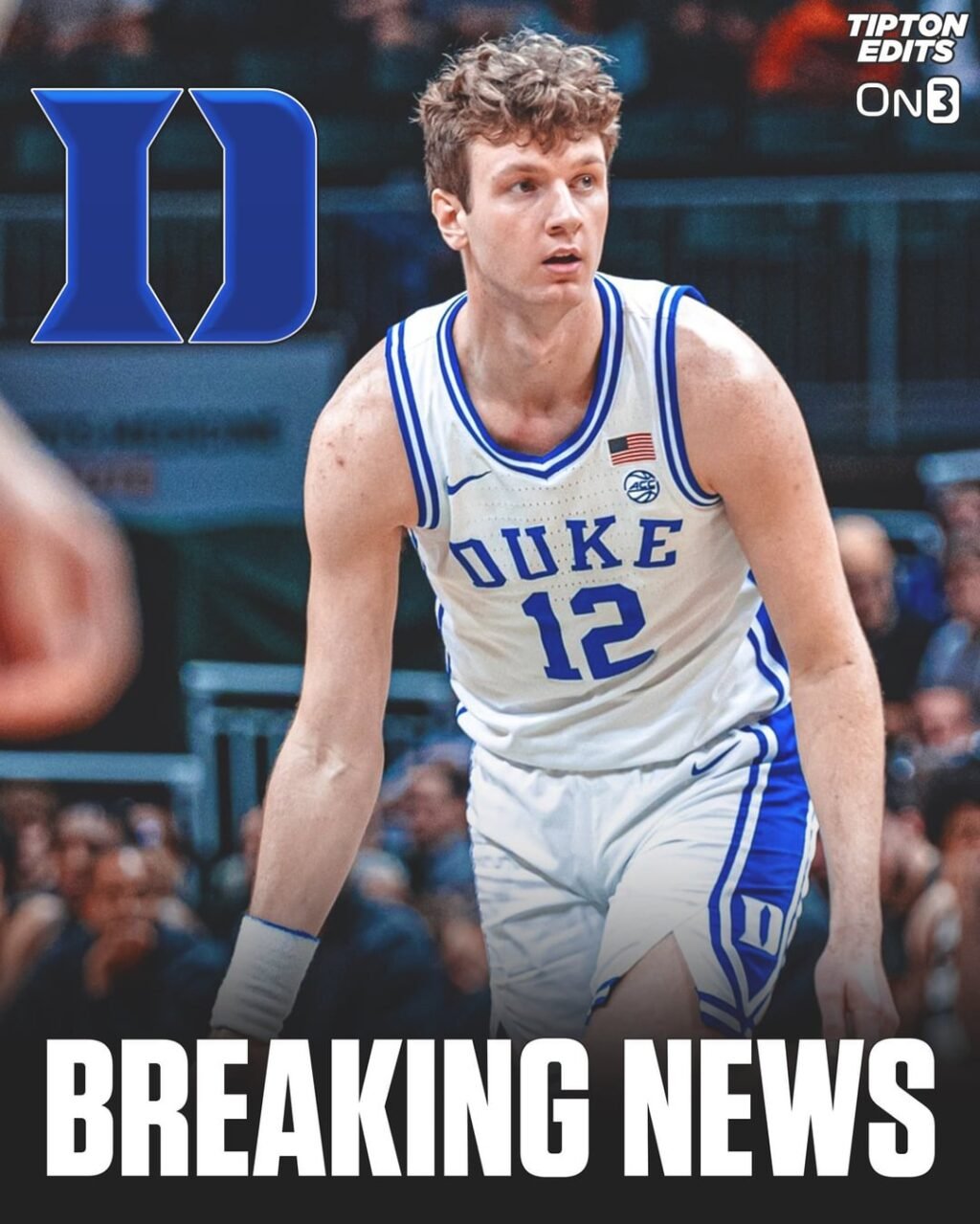
# FROM TOP-20 TO TRANSFER PORTAL. TJ Power’s Duke Career Is OVER.
## The Five-Star Dream That Never Materialized
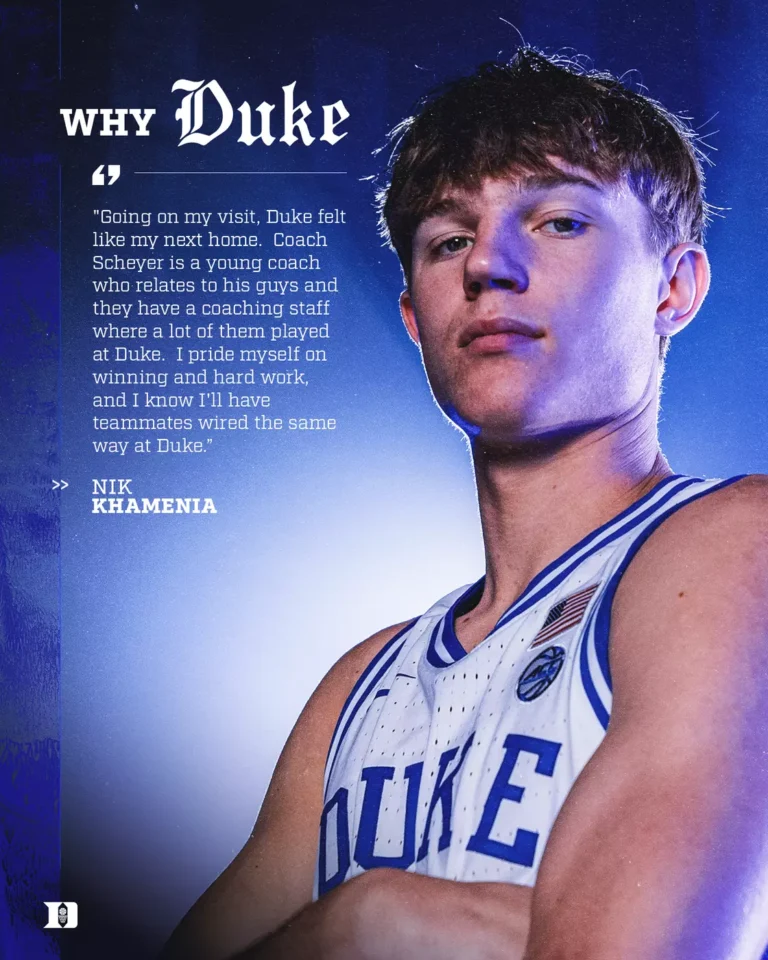
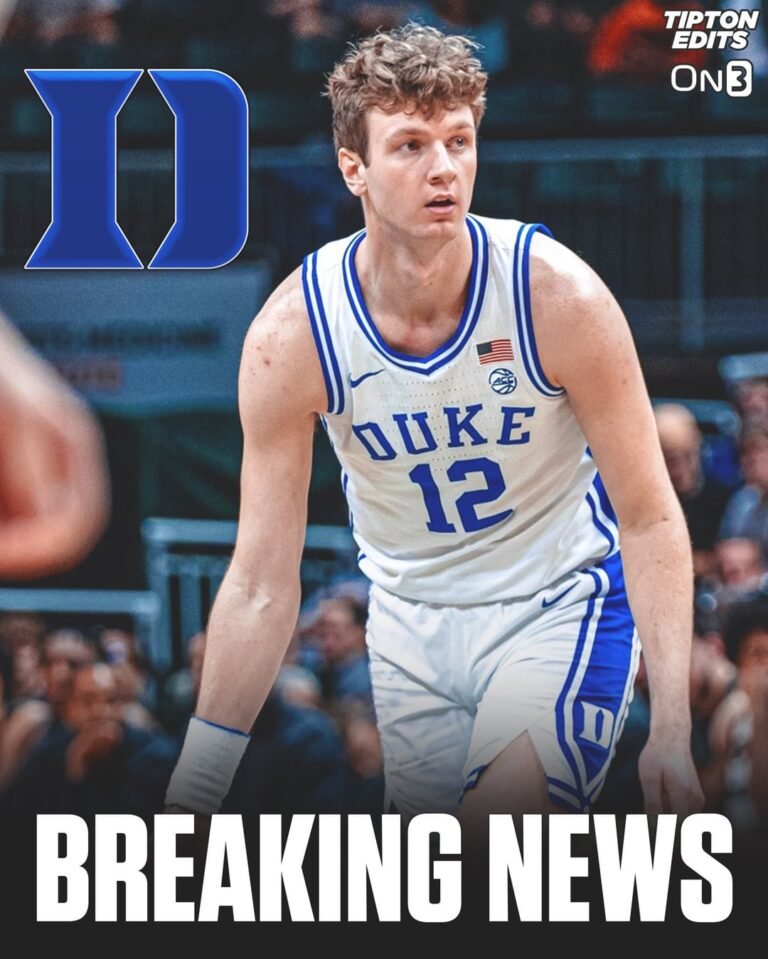
When TJ Power committed to Duke back in September 2022, it was the culmination of a childhood dream. The 6-foot-8 sharpshooter from Worcester Academy in Massachusetts had just received a scholarship offer from his dream school in July of that year, and by September, he was ready to make it official . A five-star recruit ranked No. 24 nationally in the 247Sports Composite, Power was supposed to be the next great Duke forward . He spoke of playing on “the biggest stage in college” and of his relationship with then-new head coach Jon Scheyer . Three years later, that dream is officially over—and Power’s journey from Durham stardom to the transfer portal is one of the most heartbreaking what-ifs in recent Duke basketball history.
## A Freshman Season Lost on the Bench
Power arrived at Duke as part of Scheyer’s loaded 2023 recruiting class, a group that also featured future NBA players Jared McCain and Caleb Foster alongside fellow five-stars Sean Stewart and Mackenzie Mgbako . But from the very beginning, Power struggled to find his place in the rotation.
As a freshman in the 2023-24 season, Power appeared in 26 games for the Blue Devils but averaged just **6.7 minutes per contest** . His numbers reflected the limited opportunity: 2.1 points and 0.7 rebounds per game . For a player who had been a five-star recruit and a top-25 national prospect, the reality of life on Duke’s bench was crushing.
Power remained patient, but the path to playing time in Durham was blocked by a roster loaded with elite talent. Duke that season made a run to the Elite Eight, but Power watched most of it from the sideline . When the season ended, he made a difficult decision: enter the transfer portal and find a place where he could actually play .
## The Virginia Disaster: When Everything Went Wrong
Power’s transfer to Virginia was supposed to be his fresh start. Instead, it turned into a nightmare.
He arrived in Charlottesville with hopes of finally getting the consistent minutes that had eluded him at Duke. But just before the 2024-25 season was set to begin, Virginia head coach Tony Bennett—the man who had recruited Power—**unexpectedly announced his retirement** . The coaching staff Power had trusted was suddenly gone, and the program was thrown into chaos.
Despite the upheaval, Power stayed. He began the season as a starter and was expected to be a heavy contributor for a Virginia program that was rebuilding . But as the season wore on, his inconsistent shooting became a problem. Power’s shooting numbers plummeted—he averaged just **1.3 points and 1.0 rebound per game** on a staggering **20.5% shooting from the field and 18.2% from three-point range** . By the end of the season, he had completely fizzled out of the rotation.
In Virginia’s final four games, Power logged a total of just 10 minutes . He didn’t see the floor at all in four of the Cavaliers’ final seven regular-season games or in their ACC Tournament loss to Georgia Tech . He scored zero points in 13 of the 24 games he played, including the final six games he appeared in . A promising career had hit rock bottom.
## The Redemption Arc at Penn: Finding Himself Again
After two years of disappointment, Power entered the transfer portal for the second straight season—a move that would have broken most players. But this time, he found something different. He found Fran McCaffery.
McCaffery, the former Iowa head coach, had been fired after 15 seasons in Iowa City and had taken over at his alma mater, the University of Pennsylvania . He had recruited Power in high school and had always believed in his talent. When Power entered the portal, McCaffery was waiting .
Under McCaffery’s guidance, Power finally flourished. For the first time in his college career, he was given the freedom to play through mistakes, to create, and to lead. Through the 2025-26 season at Penn, Power has averaged **14.8 points, 7.4 rebounds, and 2.2 assists per game** . He’s shooting **39.8% from three-point range** and has become the unquestioned leader of the Quakers .
## The 44-Point Masterpiece That Made Him Cry
The highlight of Power’s redemption came on March 15, 2026, in the Ivy League Tournament championship game against two-time defending champion Yale. What unfolded was nothing short of legendary.
Power erupted for a career-high **44 points and 14 rebounds**, draining 7 three-pointers in the process . But it wasn’t just the numbers that made the performance special—it was the way he did it. With Yale seemingly in control and the game slipping away, Power delivered a T-Mac-esque performance, hitting two consecutive three-pointers in the final 10 seconds to force overtime . Penn went on to win, securing their first NCAA Tournament berth since 2018 .
After the game, the 6-foot-9 forward sat alone in his hotel room and cried . “This is really emotional for me,” Power said. “I put a lot into this the last three years of my college career, and to have a championship moment like this today, it makes it all worth it” .
McCaffery, who had stuck with Power through the darkest moments, summed it up simply: “He didn’t feel sorry for himself. He learned. He worked. He persevered. He never stopped believing in himself” .
## What Really Happened at Duke
Looking back, Power’s Duke career wasn’t a failure of talent—it was a failure of timing. The 2023 Duke class was historically deep. Jared McCain became a first-round NBA pick. Caleb Foster became a Duke starter. Sean Stewart transferred to Ohio State. Mackenzie Mgbako left after one season . Power got lost in the shuffle.
He arrived at Duke expecting to be a star but found himself buried behind players who were either more ready for the moment or simply fit Scheyer’s system better . His move to Virginia was supposed to be his chance, but Bennett’s sudden retirement threw everything off course .
Now, after two years of struggle and one transcendent season at Penn, Power has found peace. His Duke career is over—but his basketball story is far from finished. And that 44-point performance in the Ivy League Tournament will stand as proof that the five-star recruit from Worcester, Massachusetts, never lost the talent that made him a Blue Devil in the first place.
**The dream died in Durham. But in Philadelphia, it was reborn.**